SEO Vs Social Media: The Ultimate Guide for Small Businesses

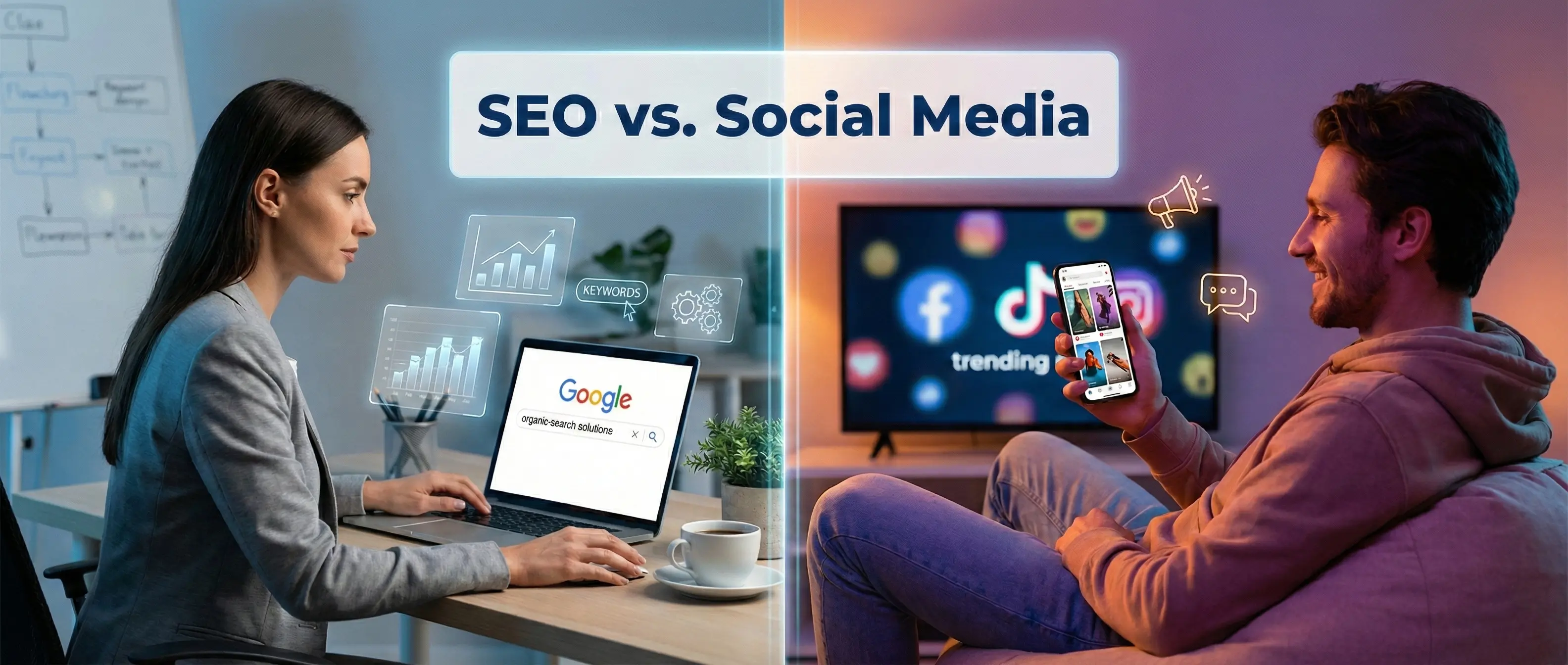
If you are a small business owner, a freelancer, or a startup founder, you are likely feeling the "Digital Pressure." You see influencers telling you to post 3 Reels a day, while SEO experts tell you that if you aren't on page one of Google, your business is invisible.
You have a limited budget, maybe a small team (or just yourself), and only 24 hours in a day. You can't do everything. So, where do you put your first 10,000 rupees or your first 50 hours of work?
In this guide, we are going to break down the battle of SEO (Search Engine Optimization) vs. SMM (Social Media Marketing). By the end, you'll know exactly which path fits your specific business model.
Part 1: Understanding the Psychology (Intent vs. Discovery)
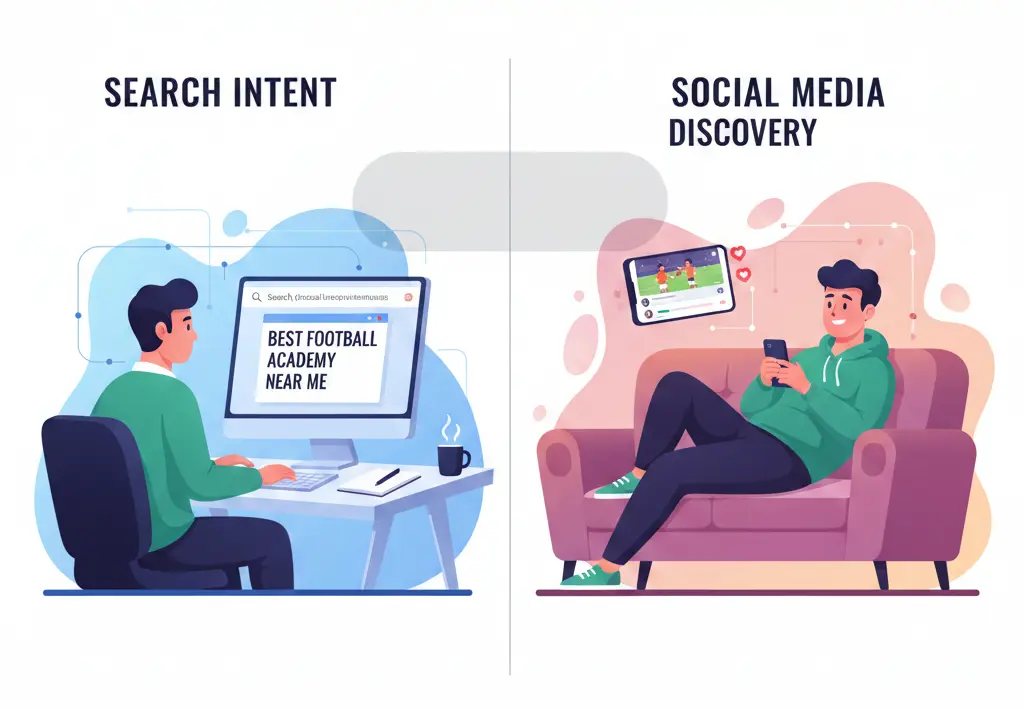
Before we talk about tools or algorithms, we have to talk about the human being on the other side of the screen. This is where most people make their first mistake.
The SEO Mindset: "I have a problem, give me the solution."
When a person goes to Google and types "best football academy in Rajkot" or "how to fix a 404 error," they are in Active Search Mode.
- The Intent: High. They are looking for an answer, a service, or a product right now.
- The Trust: They trust Google to show them the most "authoritative" and "trustworthy" (remember E-E-A-T) results.
- The Goal: To find information or make a transaction.
The Social Media Mindset: "Entertain me or show me something new."
When that same person is on Instagram, TikTok, or Facebook, they aren't looking for a football academy. They are looking at photos of their friends, watching funny reels, or keeping up with news.
- The Intent: Low. They aren't looking to buy; they are looking to consume content.
- The Discovery: This is where they "stumble" upon your brand. They might see a video of a student scoring a goal at your academy and think, "Hey, that looks cool."
- The Goal: Entertainment, connection, and inspiration.
Part 2: SEO – The Long-Term Asset
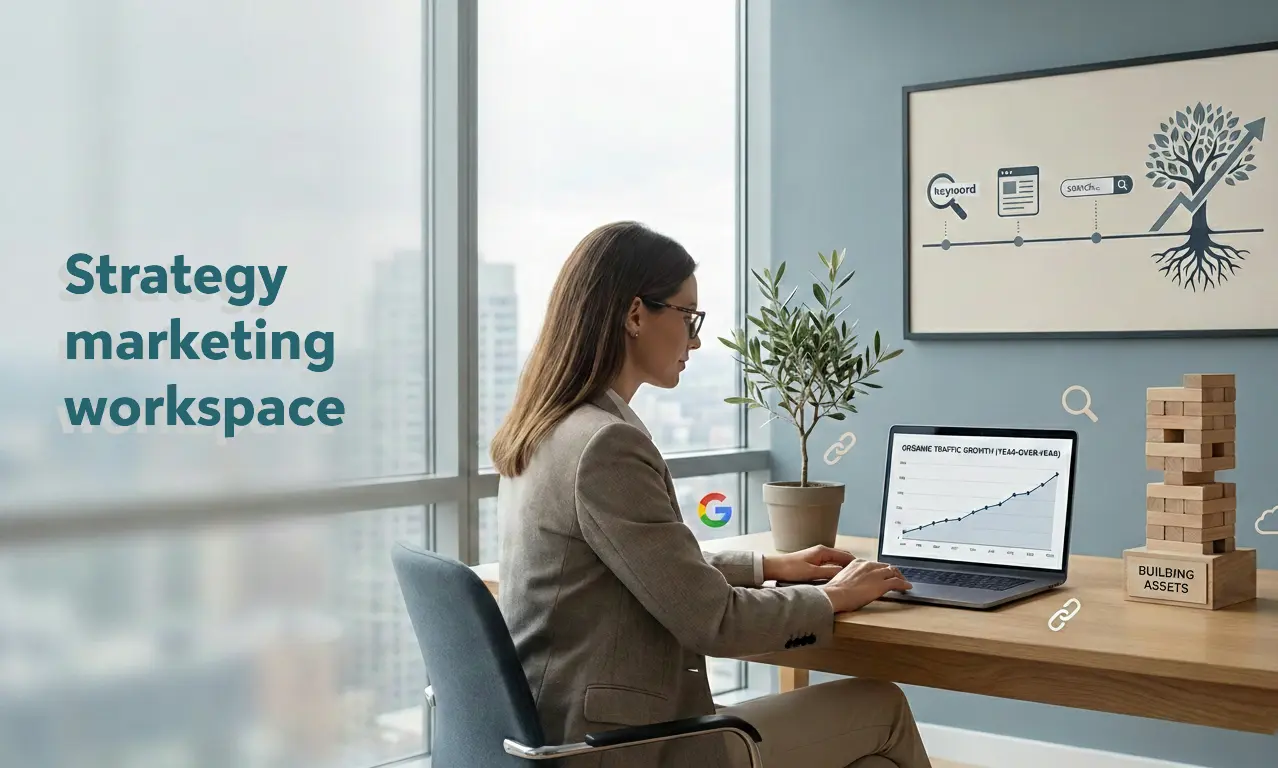
As I've mentioned in my previous SEO modules, think of SEO as a library. You are writing books (pages/blogs) and organizing them so the librarian (Google) can find them easily.
Why SEO is Great for Small Businesses:
- Compounding Interest: Unlike an ad that stops working the moment you stop paying, a high-ranking blog post can bring you leads for 2, 3, or even 5 years.
- Higher Conversion Rates: Because the user is searching for you, they are much more likely to sign up or buy compared to someone who just randomly saw your post while scrolling.
- Cost-Effective: You don't need a massive budget. You need a fast website, good keywords, and helpful content.
The Technical Reality:
For a small business to win at SEO, you have to focus on the basics I've covered before:
- Keyword Research: Don't go for "SEO" (too hard). Go for "SEO agency for small businesses in Gujarat" (Long-tail).
- Core Web Vitals: If your site takes 10 seconds to load, Google won't rank you, and users will leave. You need that LCP under 2.5 seconds.
- Local SEO: This is the "secret weapon" for small businesses. Setting up your Google My Business (GMB) profile is often more important than your actual website for local leads.
Part 3: Social Media – The Instant Connection
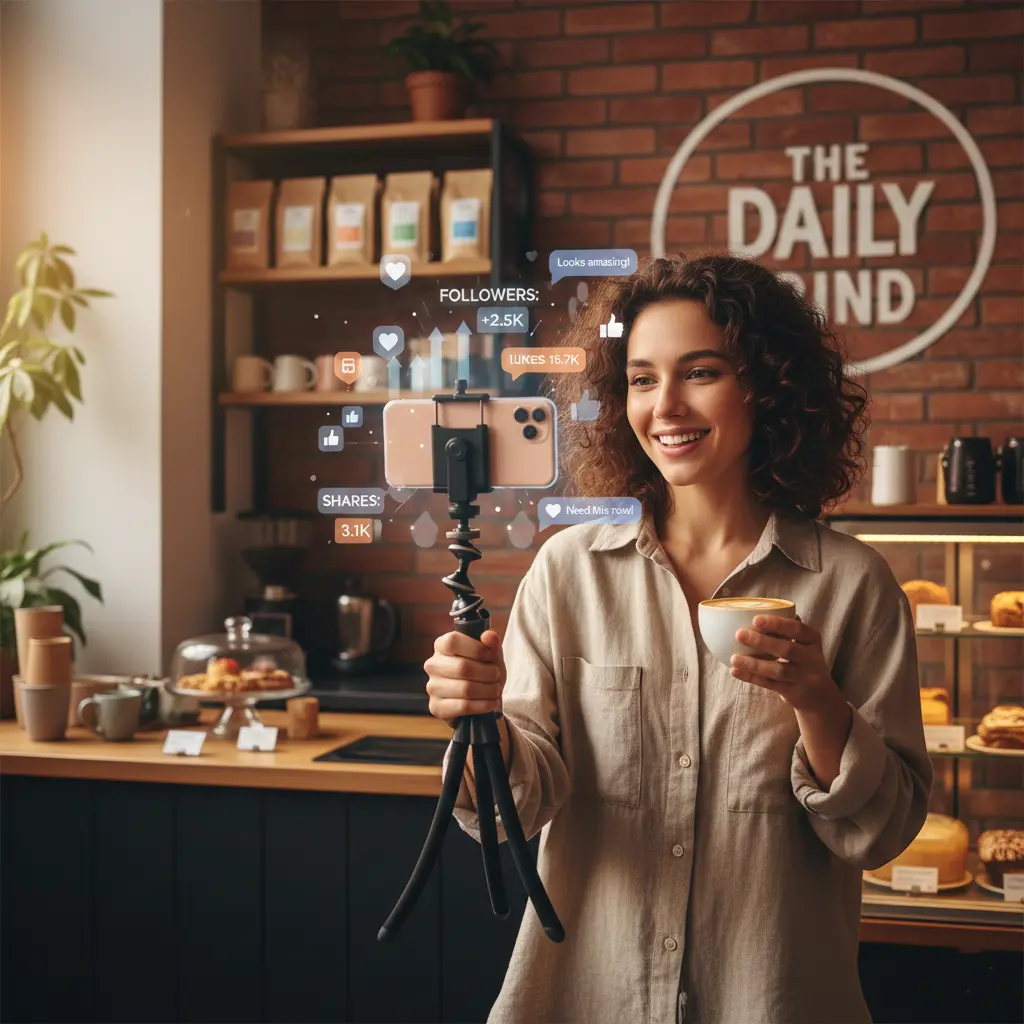
Social media is the "human face" of your business. If SEO is your shop's location, Social Media is the salesperson standing at the door shaking hands.
Why Social Media is Great for Small Businesses:
- Instant Feedback: You can post a poll on your Instagram story today and know exactly what your customers want by tonight.
- Viral Potential: SEO doesn't go "viral." But one creative Reel or a powerful transformation story on Facebook can reach thousands of people overnight without costing a rupee.
- Brand Loyalty: People buy from people. Social media allows you to show "Behind the Scenes" (BTS). It builds Trustworthiness, which is the 'T' in E-E-A-T.
The Content Grind:
The risk with Social Media is the "treadmill effect."
- The Half-Life of a Post: A tweet lasts minutes. An Instagram post lasts hours. A LinkedIn post might last two days. To stay relevant, you have to keep producing.
- Platform Risk: You don't own your followers. If Instagram changes its algorithm tomorrow (which they always do), your reach might drop by 90%.
Part 4: Comparing the Two (The Head-to-Head)
To help you decide where to start, let's look at this comparison table:
| Feature | SEO | Social Media |
|---|---|---|
| Speed of Results | Slow (3-6 months) | Fast (Minutes/Days) |
| Effort Type | Technical & Writing | Creative & Visual |
| Longevity | Very High (Years) | Very Low (Hours/Days) |
| Customer Intent | Transactional (Ready to buy) | Informational/Casual |
| Ownership | You own your website | You rent space on the platform |
| Best For | Services, B2B, Local Shops | Lifestyle, E-commerce, Brands |
Part 5: Where Should You Start? (The Strategy)
Instead of choosing one, I suggest a 70/30 Split based on your business type.
Case A: You are a Service-Based Business (Gym, Plumber, SEO Agency)
Start with SEO (70%) and use Social Media (30%) for proof.
If I have a leaking pipe, I don't go to Instagram to find a plumber. I go to Google.
- Your Move: Build a simple, fast website. Optimize for local keywords. Get 10-20 Google reviews.
- The Social Side: Use Instagram just to show "Work in Progress" photos to prove you are active and real.
Case B: You are a Product-Based Business (Clothing, Gadgets, Food)
Start with Social Media (70%) and use SEO (30%) for the long term.
People buy clothes because they look good on a person, not because they searched for "blue cotton shirt" (the competition for that keyword is too high).
- Your Move: Focus on high-quality video content. Partner with micro-influencers. Use Meta Ads to target specific interests.
- The SEO Side: Make sure when someone searches your brand name, your website shows up first.
Part 6: Common Mistakes to Avoid
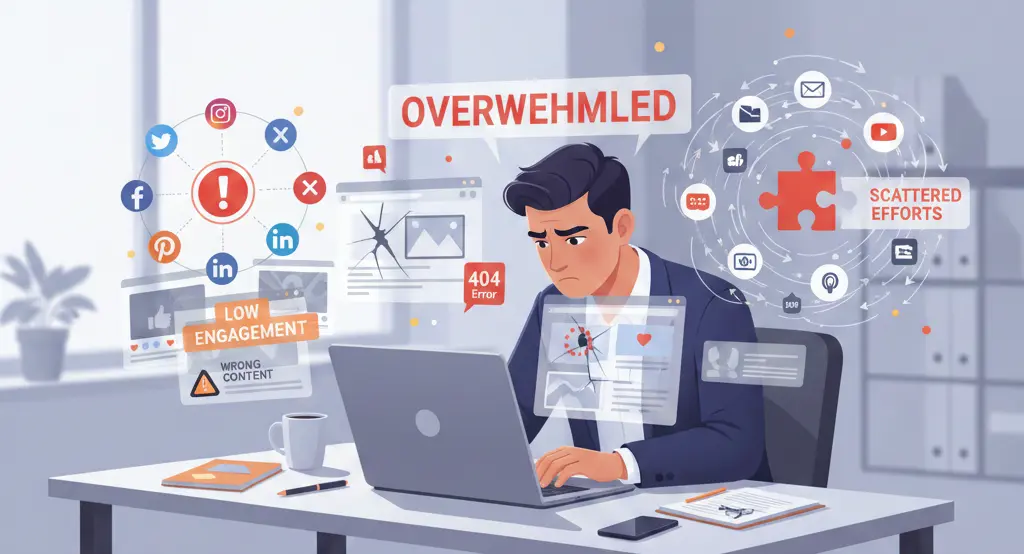
In my experience looking at digital marketing strategies, here is where small businesses fail:
- The "Ghost Town" Website: They spend all their time on Instagram but their website is broken. When a customer finally clicks the link in the bio, the site takes 20 seconds to load. Result? Soft 404 or a high bounce rate.
- Ignoring Search Intent: Writing a blog post about "The History of Gyms" when you should be writing "5 Reasons to Join a Gym in Rajkot." One is for historians; the other is for customers.
- Trying to be Everywhere: Don't try to be on Twitter, LinkedIn, Instagram, TikTok, and Pinterest. Pick one social channel where your customers live and master it.
Part 7: The Hybrid Workflow (The "Pro" Move)
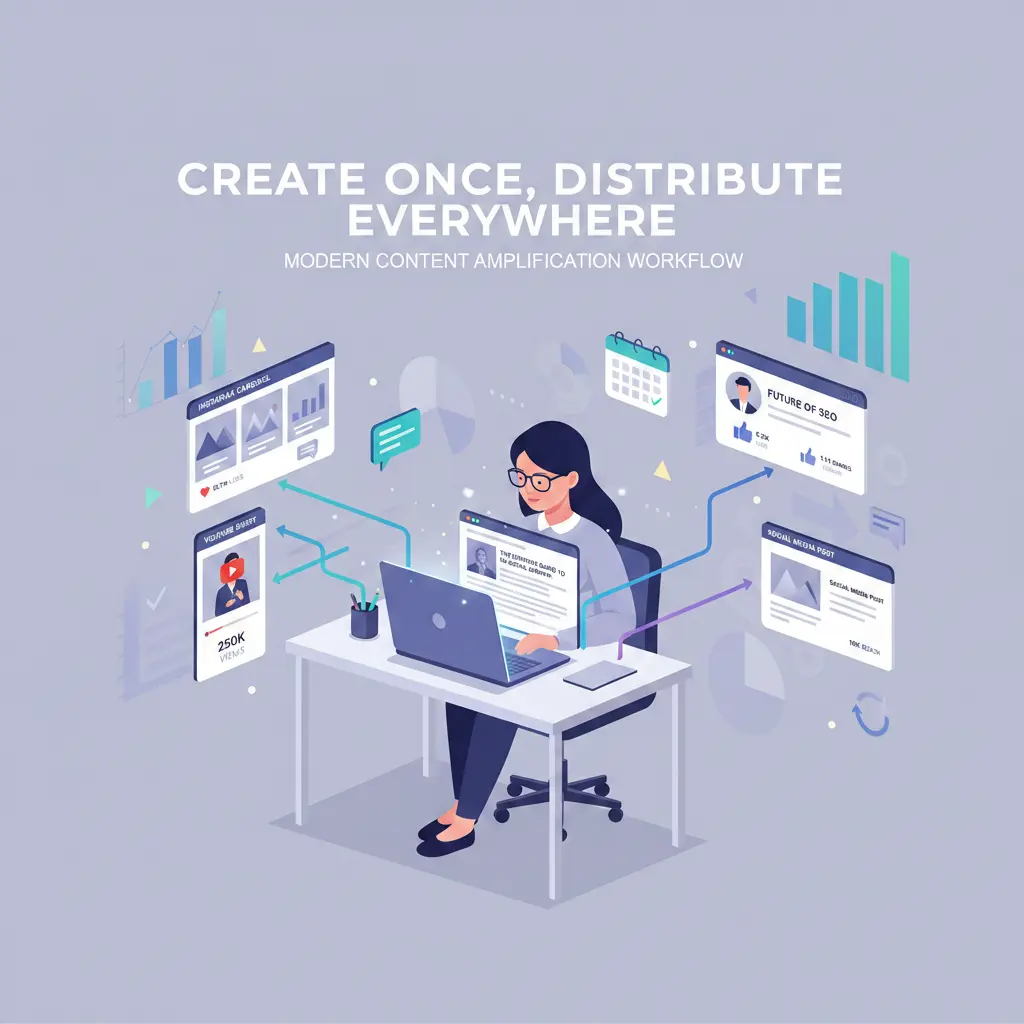
If you want to be smart, you repurpose everything. This is how you hit 1500 words of value without doing double the work.
- Start with a Core Piece of Content: Write a deep, 1200-word blog post (like this one) for your website. This is your SEO Asset.
- Break it Down for Social:
- Take the "Comparison Table" and make it a LinkedIn post.
- Take the "5 Tips" and make them an Instagram Carousel.
- Record a 60-second summary of the blog and post it as a YouTube Short.
- Link it Back: Always give people a reason to go back to your website.
Conclusion: The Winner is...
The winner is whichever one you can stay consistent with.
If you hate writing but love talking, start with Video/Social Media.
If you are technical and like data, start with SEO.
But remember: SEO is your house, and Social Media is the road that leads to it. You can have a beautiful road, but if there's no house at the end, nobody can stay. You can have a beautiful house, but if there's no road, nobody can find it.
My final recommendation? Spend Month 1-2 building your "House" (SEO & Website). From Month 3 onwards, start building your "Roads" (Social Media).